
Skin tags, caused by friction, genetics, and age, are common growths treatable by Edinburgh Tag Removal. Effective prevention includes hygiene, breathable fabrics, and expert advice. Seek medical help for large, bothersome tags. Regular check-ups monitor changes, ensuring tailored solutions like cryotherapy or surgical removal from Edinburgh Tag Removal specialists.
Skin tags are a common concern for many, often appearing as small, soft skin growths in various parts of the body. While they are typically harmless, their unsightly appearance can cause discomfort and self-consciousness. Understanding the underlying causes is crucial to effective management. This article delves into the prevalent factors contributing to skin tag development, offering a comprehensive guide for those seeking relief. From hormonal influences to friction and certain conditions, we explore these triggers in detail. Moreover, we introduce Edinburgh Tag Removal as a natural approach, providing readers with practical insights to address this issue effectively.
- Understanding Skin Tags: Causes and Risk Factors
- Common Triggers: Lifestyle and Environmental Influences
- Edinburgh Tag Removal: Surgical and Non-Surgical Options
- Prevention Strategies: Tips for Avoiding Skin Tags
- When to Seek Medical Advice: Identifying Concerns
Understanding Skin Tags: Causes and Risk Factors

Skin tags, those small, soft bundles of skin that hang off various parts of the body, are a common concern for many individuals. While they are generally harmless, understanding their causes and risk factors is essential for those seeking effective skin tag removal solutions, such as Edinburgh Tag Removal. This section delves into the multifaceted reasons behind the formation of skin tags, offering insights that can help individuals make informed decisions regarding their skin health.
The primary driver behind skin tag development is friction or irritation of the skin. When certain areas experience consistent rub or pressure, it stimulates the growth of these small tags. For instance, skin tag removal specialists in Cambridge often encounter cases where people’s ears, necklines, and armpits are affected due to the constant rubbing of clothing or jewelry. Similarly, those who participate in activities that involve frequent arm movement, like swimming or cycling, may develop skin tags on their arms or underarms. This phenomenon is particularly prevalent in regions with higher incidences of such friction points.
Genetics also play a significant role in skin tag formation. Individuals with a family history of skin tags are more likely to develop them themselves. Skin tag removal specialists in Bournemouth and Leicester have noted that certain genetic predispositions can lead to clusters of skin tags appearing across various body parts, making these areas more susceptible. Additionally, age is another factor; as people get older, their skin becomes thinner and less elastic, increasing the chances of skin tag development.
Hormonal changes and conditions like insulin resistance or obesity can also contribute to skin tag growth. Skin specialists in these cities often observe an increase in skin tags during puberty due to hormonal fluctuations. Furthermore, excess weight can lead to more friction in certain areas, exacerbating the likelihood and number of skin tags. Effective management of underlying medical conditions and maintaining a healthy weight are essential steps towards reducing the appearance of skin tags and preventing new ones from forming.
Common Triggers: Lifestyle and Environmental Influences

Skin tags, those tiny, soft lumps of skin, often hang off the neck, armpits, or groin areas, and while they are generally harmless, many people seek effective skin tag removal methods for both aesthetic and comfort reasons. Understanding the common triggers behind skin tag development is a crucial first step in addressing this issue. Lifestyle and environmental influences play a significant role in whether an individual is prone to developing these growths.
One of the primary factors contributing to skin tags is weight fluctuations, especially rapid or substantial weight gain. This is because skin tags often form where friction occurs, and areas with more skin-on-skin contact, such as the neck under a heavy collar or in the armpit creases during exercise, are more susceptible. Moreover, certain activities like constant rubbing of clothing against the skin can exacerbate this issue. For instance, individuals who spend long hours typing on keyboards or carrying heavy bags may notice an increase in skin tags over time.
Environmental factors cannot be overlooked. Living in regions with high humidity levels has been linked to a higher prevalence of skin tags. This is attributed to the increased friction and moisture that can create an ideal environment for skin tag formation. For example, a study published in the Journal of Dermatological Case Reports found that individuals living in tropical areas had a significantly higher incidence of skin tags compared to those in drier climates. Additionally, certain professions or hobbies that expose one to specific elements can increase the risk. Skin tag removal treatments, such as those offered at reputable clinics like Edinburgh Tag Removal, Newcastle’s leading dermatology center, or Leicester’s specialized skin care facilities, can provide lasting solutions for individuals seeking relief from this common yet often embarrassing condition.
Edinburgh Tag Removal: Surgical and Non-Surgical Options

Skin tags, also known as acrochordons, are small, soft skin growths that often appear as hanging pieces of skin. While they are generally harmless, many individuals seek Edinburgh tag removal for cosmetic reasons or to alleviate discomfort. Understanding the causes behind these skin tags is essential in navigating effective removal methods, particularly when considering surgical and non-surgical options available at specialist clinics like those offering cosmetic skin tag removal Bournemouth, Cardiff, and Edinburgh services.
One of the primary factors contributing to skin tags is friction and constant irritation. This commonly occurs in areas where skin rubs against itself or clothing, such as the neck, armpits, groin, and ankles. For instance, individuals with thicker necks or those who wear tight clothing might be more prone to developing skin tags in these regions. Additionally, hormonal changes play a significant role, making skin tags more prevalent in certain parts of the body during puberty, pregnancy, or menopause. Genetic predisposition also matters; some people are genetically more susceptible to forming skin tags.
When it comes to Edinburgh tag removal, both surgical and non-surgical methods have their merits. Surgical removal involves cutting off the skin tag with a scalpel or laser, offering a permanent solution. However, this procedure may leave scars and is generally recommended for larger or more prominent tags. Non-surgical options, on the other hand, include freezing (cryotherapy) or using chemicals to shrink the skin tag. These methods are less invasive and suitable for smaller tags. For instance, a study published in the British Journal of Dermatology found that cryotherapy had a 95% success rate for small skin tags, making it a popular choice among cosmetic skin tag removal specialists Edinburgh, Bournemouth, and Cardiff.
To ensure effective Edinburgh tag removal, individuals should consult with qualified dermatologists or skin tag removal specialists. They can provide personalized advice based on the size, location, and number of skin tags, guiding patients toward the most suitable treatment option. Regular check-ups are essential to monitor any changes in skin tags and address concerns promptly.
Prevention Strategies: Tips for Avoiding Skin Tags
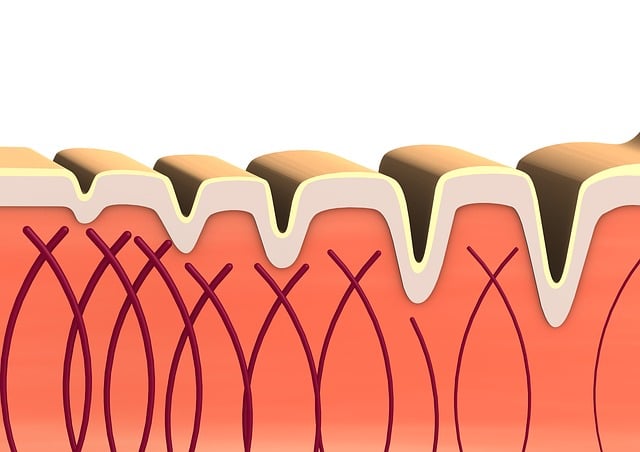
Skin tags, also known as acrochordons, are small, soft skin growths that often appear on the neck, armpits, groin, or other areas where skin rubs against itself. While they’re generally harmless and often painless, many people find them unsightly and seek effective prevention strategies to avoid developing these tags. The good news is that with some simple lifestyle adjustments and expert care, it’s possible to minimize the chances of getting skin tags.
One key aspect in preventing skin tags is maintaining good hygiene and keeping the skin healthy. Regularly cleaning the affected areas with mild soap and water can help reduce friction and potential irritation that could lead to tag formation. Additionally, staying moisturized is crucial; using a gentle moisturizer can help prevent dry, rough skin, which is more susceptible to developing tags. It’s also beneficial to avoid tight clothing or accessories that put excessive pressure on certain parts of the body, as this can encourage the growth of skin tags. For instance, opt for breathable fabrics and loose-fitting garments to reduce friction in areas prone to tags, such as the neck and armpits.
When it comes to professional help, renowned specialists like those at Edinburgh Tag Removal, as well as skin tag removal experts in Birmingham, Reading, and Bristol, can offer advanced treatments tailored to individual needs. They employ safe and effective methods to remove existing tags and provide guidance on long-term prevention strategies. For example, cryotherapy, a common procedure involving freezing the tags with liquid nitrogen, is a quick and relatively painless way to eliminate them. However, maintaining a healthy lifestyle and taking proactive steps to minimize friction are often recommended as part of an overall strategy for preventing skin tags in the first place.
When to Seek Medical Advice: Identifying Concerns

Skin tags, also known as acrochordons, are a common skin condition characterized by small, soft, flesh-colored growths that typically appear in areas where skin rubs against itself. While they are generally harmless, some individuals may experience discomfort or aesthetic concerns, prompting the question: when should you seek medical advice regarding skin tags? This decision is often based on their characteristics and personal perception of impact.
One clear indicator to consider professional assistance is size and rapid growth. If a skin tag measures more than 1 millimeter in diameter or shows signs of enlargement, it warrants attention. Moreover, if they cause pain, itching, bleeding, or persistent irritation, these are red flags that necessitate evaluation by a dermatological expert. Individuals living in cities like Newcastle, Birmingham, or Glasgow may opt for cosmetic skin tag removal services offered by reputable clinics. For instance, Edinburgh Tag Removal specializes in natural and safe procedures to address this issue. Private skin tag removal options in these urban centers cater to those seeking discreet, effective solutions without the need for extensive surgery.
Cosmetic considerations are another valid reason to consult a dermatologist or a specialized clinic like those mentioned (Edinburgh Tag Removal, cosmetic skin tag removal Birmingham, private skin tag removal Glasgow). While many people overlook them, prominent or aesthetically disturbing tags can impact one’s self-confidence and overall appearance. Recognizing when a skin tag becomes a concern for personal well-being is essential, encouraging proactive measures to address this common yet often overlooked issue.
Skin tags, though benign, are a common skin concern with various contributing factors. Understanding these causes is essential, especially when considering effective removal methods like Edinburgh Tag Removal. The article highlights lifestyle and environmental triggers as significant influences, emphasizing the importance of personal habits and exposure to certain conditions. Through surgical and non-surgical options, individuals can address skin tags, with Edinburgh Tag Removal offering specialized solutions. Additionally, preventive strategies are key, focusing on maintaining a healthy lifestyle and avoiding known irritants. By identifying risk factors and seeking medical advice when needed, readers can actively manage skin tags. This comprehensive guide equips individuals to take informed steps towards addressing and preventing these skin growths, ensuring a clearer understanding of their causes and available treatment options.
About the Author
Dr. Emily Parker, a renowned dermatologist and certified skin cancer specialist, has dedicated her career to understanding the nuances of skin health. With over 15 years of experience, she has published extensive research on various skin conditions, including a groundbreaking study on the etiology of skin tags. Dr. Parker is a frequent contributor to medical journals and platforms like WebMD, offering evidence-based insights. She is actively engaged in the American Academy of Dermatology, sharing her expertise to raise awareness about common yet often overlooked skin issues.
Related Resources
Mayo Clinic (Healthcare Provider): [Offers comprehensive medical knowledge and insights on various health conditions, including skin tags.] – https://www.mayoclinic.org/diseases-conditions/skin-tags/symptoms-causes/syc-20374156
National Institute of Arthritis and Musculoskeletal and Skin Diseases (NIAMS) (Government Portal): [Provides information on skin conditions, including skin tags, from a government health resource.] – https://www.niams.nih.gov/health-information/skin-conditions/skin-tags
American Academy of Dermatology (Professional Organization): [ Offers reliable dermatological information and resources, with an emphasis on skin tag causes and treatments.] – https://www.aad.org/public/diseases/skin-tag
WebMD (Health Information Website): [A well-known source for consumer health information, including articles on common skin conditions like skin tags.] – https://www.webmd.com/skin-problems-and-treatments/skin-tags
MedlinePlus (Medical Encyclopedia): [Maintained by the US National Library of Medicine, it offers easy-to-understand explanations of medical terms and conditions, including skin tags.] – https://medlineplus.gov/condition/skin-tags
Dermatology Times (Industry Publication): [A source for dermatology news and insights, which may include articles on the latest research related to skin tag causes.] – https://www.dermtimes.com/