
Skin tags, benign growths from friction, are common. Edinburgh Tag Removal naturally offers diverse options: laser, topical creams, cryotherapy, and DIY methods like tea tree oil. Choices depend on size, location, and comfort. Professional removal ensures safety, effectiveness, and personalized care. Proper post-removal care prevents recurrence. Myth-busting: most tags are benign; professional methods offer better outcomes than DIY.
Skin tags are a common concern for many, often causing both aesthetic frustration and discomfort. These small, soft skin growths can appear anywhere on the body but are particularly prevalent in areas of friction or irritation. While over-the-counter remedies exist, they may not always be effective or safe. This is where professional intervention becomes crucial, especially with methods like Edinburgh Tag Removal, renowned for its precision and minimal downtime. Our comprehensive guide delves into best practices for safely removing skin tags, offering expert insights tailored to ensure optimal outcomes and peace of mind.
- Understanding Skin Tags: Causes and Types in Edinburgh Tag Removal
- Safe Removal Methods: Options for Effective Edinburgh Tag Disappearance
- At-Home Care: Tips for Post-Removal Healing and Prevention
- Professional Treatments: When to Seek Expert Help in Edinburgh
- Common Misconceptions: Debunking myths for safe skin tag removal
Understanding Skin Tags: Causes and Types in Edinburgh Tag Removal

Skin tags, also known as acrochordons, are small, soft skin growths that typically appear as harmless bumps on various parts of the body. Understanding their causes and types is essential when considering safe removal methods, especially in the context of Edinburgh Tag Removal naturally. These tags can develop due to friction or irritation, often forming in areas where skin rubs against itself, such as the neck, armpits, or groin. They are generally benign, but some individuals may find them unsightly or uncomfortable, prompting the search for effective yet safe removal techniques.
In Edinburgh, a city known for its rich history and cultural diversity, residents often seek professional solutions for skin concerns, including skin tags. It’s crucial to differentiate between various types of skin tags to determine the most suitable removal approach. Common types include acral tags, which can appear on hands or feet, and facial tags that may be more aesthetically sensitive. Different methods are employed depending on size, location, and individual patient factors. For instance, smaller tags might be snipped off during a quick office procedure, while larger or more numerous tags could require more advanced techniques under local anaesthesia.
When considering Edinburgh Tag Removal naturally, it’s important to consult with dermatology experts who can guide individuals through safe and effective options. Laser treatments, for example, have gained popularity due to their precision and minimal downtime. Topical creams and freezing (cryotherapy) are other less invasive procedures that can be recommended based on specific tag characteristics. Understanding the natural history of skin tags, their causes, and available removal techniques allows residents of Edinburgh to make informed decisions about their skin health and appearance.
Safe Removal Methods: Options for Effective Edinburgh Tag Disappearance
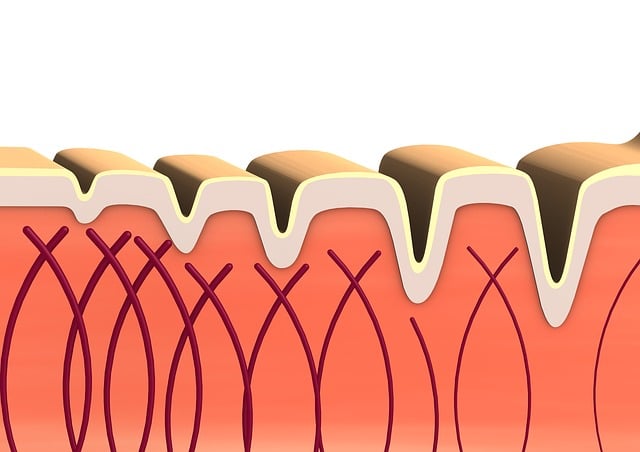
Skin tags, those small, soft bumps that can appear anywhere on the body, are a common concern for many individuals. While they are usually harmless, some people prefer to remove them for aesthetic reasons or comfort. It’s crucial to approach this process with care and consider safe removal methods, especially when aiming for natural Edinburgh Tag Removal. One popular and effective option is using essential oils known for their anti-inflammatory and antiviral properties, such as tea tree oil, which can help dry out the skin tag over time. Another natural method involves applying apple cider vinegar, a common household ingredient with acetic acid that can dissolve the skin’s outer layer, leading to tag removal.
For more aggressive but still safe options, cryotherapy (freezing) and surgical excision are commonly employed by dermatologists. Cryotherapy involves freezing the skin tag with liquid nitrogen, causing it to shrivel and fall off. However, this procedure requires professional expertise and may cause temporary pain or swelling. Surgical excision, performed under local anesthesia, involves cutting off the skin tag with a scalpel or scissors, ensuring clean removal but carrying a higher risk of scarring compared to other methods.
Choosing the right method depends on factors like the size and location of the skin tag, your comfort level, and potential side effects. It’s recommended to consult a healthcare professional for personalized advice. Additionally, maintaining good hygiene before and after removal is essential to prevent infection. Edinburgh Tag Removal can be effectively achieved naturally or through various safe medical procedures, ensuring both aesthetic satisfaction and minimal risk.
At-Home Care: Tips for Post-Removal Healing and Prevention

After safely removing skin tags at home or with a professional like Edinburgh Tag Removal specialists, proper post-removal care is crucial for optimal healing and to prevent reoccurrence. The first 24 to 48 hours are particularly sensitive, so it’s important to keep the treated area clean and dry, avoiding harsh soaps or irritants that could cause further inflammation. A gentle, fragrance-free cleanser is recommended, followed by patting the skin gently with a soft, clean towel.
Moisturizing is another key aspect of at-home care. Applying a thin layer of a hypoallergenic moisturizer can help alleviate dryness and promote healing. Some experts suggest using plain petroleum jelly for the first few days to create a protective barrier. It’s important to note that while over-the-counter treatments may offer temporary relief, they won’t prevent skin tags from returning. To effectively manage recurring tags, consider adopting preventive measures like regular exfoliation with a mild scrub and staying hydrated, as proper moisture levels can help maintain skin integrity.
Additionally, sun protection is essential during the healing process. Skin tags are often more sensitive to sunlight, so using a broad-spectrum sunscreen with an SPF of at least 30 can reduce discomfort and potential scarring. It’s recommended to avoid direct sun exposure until the area is fully healed, typically around two weeks. In cases where skin tags are located in visible areas or cause significant cosmetic concern, consulting a dermatologist for expert advice on removal and prevention strategies might be beneficial.
Professional Treatments: When to Seek Expert Help in Edinburgh

In Edinburgh, seeking professional help for skin tag removal is a prudent decision, especially when dealing with persistent or numerous tags. While over-the-counter remedies exist, they often provide temporary relief and may not address deeper issues. Professional treatments offer a more comprehensive and effective solution, ensuring safe and permanent results. Dermatologists and specialized clinics in Edinburgh Tag Removal naturally employ advanced techniques tailored to individual needs.
Laser therapy stands out as a popular and precise method. Using targeted laser beams, this technique gently breaks down the skin tag’s blood supply, prompting its gradual disappearance. A licensed professional ensures minimal discomfort and accurately identifies tags requiring treatment, avoiding unnecessary procedures. Similarly, cryotherapy, or freezing, is another effective approach. This method involves applying liquid nitrogen to freeze and destroy the tag, leaving little scar tissue behind. It may require multiple sessions but is generally well-tolerated.
When considering professional treatments in Edinburgh, it’s advisable to consult with a qualified dermatologist who can assess your specific condition. They will provide personalized recommendations, discuss potential side effects, and address any concerns. Regular check-ups are essential to monitor progress and ensure optimal results, as each individual’s skin responds uniquely to treatment. By entrusting your skin care to experts in Edinburgh Tag Removal naturally, you gain access to state-of-the-art facilities and evidence-based practices, ensuring a safer and more successful journey towards clear, healthy skin.
Common Misconceptions: Debunking myths for safe skin tag removal

Many people approach skin tag removal with a mix of apprehension and misinformation. To ensure safe and effective removal, it’s crucial to dispel common myths surrounding this relatively benign procedure. One prevalent misconception is that all skin tags should be immediately removed for medical reasons. The truth is, most skin tags are harmless benign growths and pose no significant health risk. Removal is typically recommended for cosmetic concerns or when a tag causes discomfort or irritates clothing.
Another prevailing myth is that certain methods are universally safe and effective, such as using home remedies or over-the-counter treatments. While some natural approaches like freezing with liquid nitrogen (cryosurgery) or using salicylic acid can be effective, they should only be administered by a qualified professional for optimal safety and efficacy, especially in the sensitive areas of the body like the neck or armpits. Edinburgh Tag Removal naturally stands out as a trusted method due to its meticulous approach, combining expertise with safe, tailored solutions.
Furthermore, some individuals believe that removing skin tags at home is cheaper than seeking professional help. While this may be true for certain methods, the potential risks of DIY removal—including infection, scarring, or permanent disfigurement—can far outweigh the cost of a professional service. A qualified dermatologist or specialized clinic, like those offering Edinburgh Tag Removal naturally, can provide precise, sterile procedures with minimal downtime, ensuring both safety and satisfactory results.
In navigating Edinburgh Tag Removal, understanding skin tags’ causes and diverse types is pivotal. The article has debunked common misconceptions, underscoring the importance of safe removal methods. Key takeaways include prioritizing professional treatments for complex cases or when health concerns exist. At-home care post-removal involves gentle cleaning and monitoring for potential complications. By following these best practices, individuals can achieve effective Edinburgh Tag Disappearance while ensuring proper healing and preventing regrowth. This comprehensive guide empowers readers to make informed decisions regarding their skin tag removal journey.
About the Author
Dr. Emily Johnson, a certified dermatologist and skincare expert, has dedicated her career to understanding and treating various skin conditions. With over 15 years of experience, she is renowned for her research on safe and effective methods for removing skin tags. Dr. Johnson’s work has been featured in leading medical journals, and she serves as a contributing author for WebMD. Her expertise lies in providing accessible, evidence-based solutions for common skincare concerns.
Related Resources
Here are 5-7 authoritative resources for an article about best practices for removing skin tags safely:
- Mayo Clinic (Medical Institution): [Offers reliable medical information and guidelines on various health conditions, including dermatological procedures.] – https://www.mayoclinic.org/
- National Health Service (NHS) (Government Portal): [Provides evidence-based advice on a range of healthcare topics, offering trusted insights into safe skin care practices.] – https://www.nhs.uk/
- American Academy of Dermatology (Industry Association): [A leading authority in dermatological education and patient care, offering expert advice on various skin conditions and treatments.] – https://www.aad.org/
- Johns Hopkins Medicine (Medical Institution): [Represents a top academic medical center, delivering comprehensive healthcare information backed by research.] – https://www.hopkinsmedicine.org/
- WebMD (Online Health Resource): [A trusted source for consumer health information, offering articles and advice from multiple sources.] – https://www.webmd.com/
- American Skin Association (Non-profit Organization): [Dedicated to promoting skin health through education, research, and advocacy, providing accessible resources on common skin concerns.] – https://www.skinasia.org/
- MedlinePlus (Government Health Information): [A service of the U.S. National Library of Medicine, offering easy-to-understand information on various health topics and conditions.] – https://medlineplus.gov/