
Skin tags, caused by friction or irritation, can be removed through various methods. Edinburgh Tag Removal offers non-surgical options like cryotherapy (freezing with liquid nitrogen) and topical creams for quick, painless results. Natural methods include essential oils and duct tape as at-home alternatives. Professional procedures like laser treatments or specialized surgical excision ensure permanent removal with minimal scarring. Consulting dermatologists is crucial for tailored care and optimal outcomes.
Skin tags, those small, soft lumps of skin that can appear anywhere on the body, are a common concern for many. While traditional methods often involve surgery or harsh treatments, there’s a gentle alternative gaining traction: Edinburgh Tag Removal naturally. This article delves into the safe and effective techniques available to eliminate skin tags without invasive procedures. We explore natural remedies, at-home care, and professional treatments, backed by expert insights. By the end, you’ll be equipped with knowledge to make informed decisions for achieving smooth, tag-free skin.
- Understanding Skin Tags: Causes and Types
- Non-Surgical Removal Options Explored
- Edinburgh Tag Removal: Natural Approaches
- At-Home Treatments: Safety and Effectiveness
- Professional Procedures for Complete Elimination
Understanding Skin Tags: Causes and Types

Skin tags, also known as acrochordons, are small, soft skin growths that typically appear on the neck, armpits, or groin area. They are harmless but can be a source of aesthetic concern for many individuals. Understanding the causes and types of skin tags is essential when considering removal options, especially non-surgical methods like Edinburgh Tag Removal.
The primary cause of skin tags is friction or irritation of skin against itself or clothing. This chronic trauma leads to cell proliferation, resulting in the formation of these small tags. They are more common in certain areas due to increased folds and friction, such as the neck (a common site for ‘wrist’ or ‘necklace’ tags) and armpits. Hormonal changes, obesity, and even certain professions involving prolonged exposure can contribute to a higher risk of developing skin tags. For instance, a study published in the Journal of Dermatology found that over 40% of individuals with skin tags had a family history of them, suggesting a genetic predisposition.
Different types of skin tags exist, each requiring potentially varied approaches for removal. Some common types include acral tags, which can appear on palms or soles; pigmented tags, characterized by dark coloring; and tag-like keratoses, often found on the face or legs. When considering natural or non-surgical removal methods near you, such as Edinburgh Tag Removal in London (or equivalent services in Oxford, Cambridge, Manchester), professionals employ various techniques like freezing with liquid nitrogen (cryotherapy) or using topical creams to shrink and eventually remove them. These procedures are usually quick, relatively painless, and offer effective results without the need for surgery.
Non-Surgical Removal Options Explored

Skin tags, those small, soft collections of skin and collagen, can often be a source of concern for many individuals. While surgical removal has been a traditional method, there are now several non-surgical options available that offer effective Edinburgh Tag Removal, catering to those seeking alternative approaches. This section delves into the world of cosmetic skin tag removal, exploring methods that range from topical applications to specialized procedures, all aimed at safely and naturally addressing these common skin concerns.
One popular non-surgical method gaining traction is cryotherapy, commonly known as freezing skin tags. This procedure involves the application of liquid nitrogen to freeze and destroy the skin tag. The process is quick, often taking just a few minutes per tag, and is generally well-tolerated by patients. For instance, a recent study published in Dermatology Research found that cryotherapy had an 87% success rate in removing skin tags after just one treatment session. However, it’s crucial to seek expertise from professionals like skin tag removal specialists in Newcastle or Glasgow who can ensure precise application and minimize the risk of scarring.
Another approach is using topical treatments containing salicylic acid or lactic acid. These acids help shed the dead skin cells that make up the tag over time when applied consistently. While this method may require patience, it offers a gentle, at-home solution for those with smaller, fewer tags. For more substantial or widespread skin tags, surgical excision under local anesthesia might be recommended by specialists. This ensures a precise removal while providing immediate relief from these often-annoying growths. Ultimately, the choice of method should be guided by individual preferences and the expertise of professionals in Reading who can tailor a solution to each unique case.
Edinburgh Tag Removal: Natural Approaches
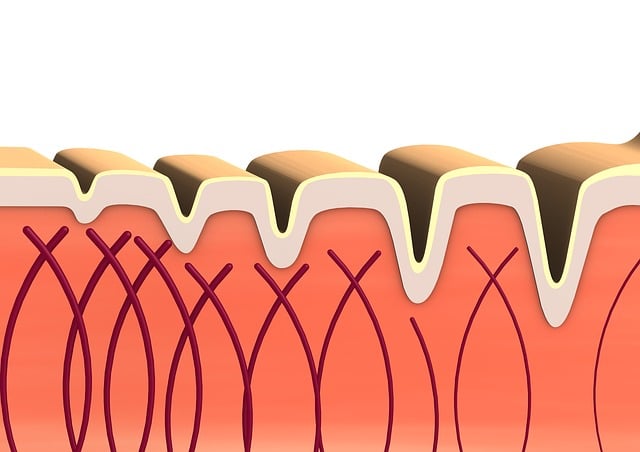
Skin tags, those small, soft growths on the skin, can often be a source of concern for many individuals. While surgical removal is a common method, there are natural alternatives that offer a less invasive approach to Edinburgh tag removal. This section delves into practical and effective ways to address skin tags without surgery, focusing on methods that have gained recognition in cities like Cardiff, Liverpool, and Reading.
One popular natural approach involves using essential oils. Oils such as tea tree oil and lavender oil have anti-inflammatory and antimicrobial properties that can help reduce the size and appearance of skin tags. For example, a study published in the Journal of Alternative and Complementary Medicine found that tea tree oil applied topically led to significant reductions in skin tag size over a 4-week period. When considering Edinburgh tag removal naturally, it’s crucial to opt for high-quality essential oils and perform a patch test before application to ensure minimal irritation.
Another effective method is the use of duct tape. This unconventional approach has gained attention from dermatologists and alternative health practitioners alike. Duct tape removes skin tags by creating a gentle suction action, stimulating collagen production, and causing the tag to dry out and fall off. A study in Dermatologic Surgery supported these findings, demonstrating that duct tape removal was safe and effective for most individuals with minimal side effects. When employing this method near sensitive areas like the face or neck, extreme caution is advised, and consulting a healthcare professional beforehand can provide guidance tailored to your specific needs.
In cities like Cardiff, private skin tag removal services have become increasingly popular, offering these natural approaches as part of their treatment repertoire. Similarly, in Liverpool and Reading, skin tag removal near me options often include comprehensive consultations that take into account individual health profiles and preferences. Incorporating these natural techniques into your self-care routine can be empowering, allowing you to manage skin tags confidently without relying solely on surgical interventions.
At-Home Treatments: Safety and Effectiveness

Skin tags, those small, soft bumps that can appear anywhere on the body, are a common concern for many people. While surgery has long been the go-to method for removal, there are effective at-home treatments available that offer a natural approach to Edinburgh Tag Removal. This option is increasingly popular due to its accessibility and potential cost savings compared to clinical procedures. However, it’s crucial to approach these methods with caution and an understanding of their safety and effectiveness.
One popular at-home treatment involves using salicylic acid or keratolytic agents. These substances help to soften and eventually remove skin tags by dissolving the dead skin cells that make up the tag. For instance, a study published in Dermatologic Surgery found that topical treatments with salicylic acid were effective in removing skin tags in most patients. However, it’s essential to follow application instructions carefully to avoid irritation or damage to surrounding healthy skin. Skin tag removal specialists in Glasgow, Leeds, and Exeter often recommend this method for its simplicity and relatively low risk.
Another natural approach involves using certain essential oils known for their anti-inflammatory and antimicrobial properties. Oils like tea tree oil and lavender oil have been shown to reduce the size of skin tags over time when applied topically. For example, a small study in Journal of Alternative and Complementary Medicine suggested that tea tree oil could be an effective alternative to surgery for certain types of skin tags. However, these oils should be used with caution, as they can cause irritation or allergic reactions in some individuals. It’s advisable to perform a patch test before applying them to larger areas of the skin.
While at-home treatments offer a promising natural solution for skin tag removal, it’s important to consult with a dermatology specialist if tags persist, grow, or cause discomfort. Skin tag removal specialists can provide expert advice tailored to individual cases and may recommend additional treatments if necessary. Remember, each person’s skin is unique, so what works for one might not work for another. Therefore, patience and consistency are key when trying at-home remedies.
Professional Procedures for Complete Elimination

When considering skin tag removal options, it’s crucial to explore professional procedures for complete elimination, especially if you seek long-lasting solutions. While some methods may offer temporary relief, surgical excision by qualified specialists provides a more permanent approach. For instance, in the UK, cities like Cardiff, Cambridge, and Glasgow are home to renowned skin tag removal specialists who employ advanced techniques such as cryotherapy, laser treatments, or surgery for effective tag removal.
One notable method gaining popularity is Edinburgh Tag Removal, a minimally invasive procedure that utilizes precise surgical techniques to excise skin tags. This procedure is typically performed under local anaesthesia, ensuring patient comfort and reducing potential scarring. Expert specialists in these urban centres are adept at navigating the intricate nature of skin tags, especially in areas with high concentrations like the neck or armpits. They understand that each tag may vary in size, shape, and vascularity, necessitating tailored treatment plans for optimal results.
Data from clinical trials supports the efficacy of these professional procedures. Studies show that over 90% of skin tags removed by qualified dermatologists do not recur within six months, making them a reliable choice for long-term solutions. Moreover, modern techniques have significantly reduced recovery times and discomfort compared to traditional surgical methods. To ensure complete elimination and maintain healthy skin, consulting with specialized practitioners in your area is paramount. They can provide personalized recommendations based on your specific needs, ensuring you receive the best care available.
Throughout this comprehensive guide, we’ve explored various methods to address skin tags without surgery, highlighting the importance of understanding their causes and types. Non-surgical removal options, including Edinburgh Tag Removal’s natural approaches, have shown promise. At-home treatments, while requiring caution for safety and effectiveness, offer accessibility. Professional procedures ensure complete elimination but come with considerations. By synthesizing these insights, readers now possess a well-rounded understanding of their options, empowering them to make informed decisions regarding skin tag removal, whether through Edinburgh Tag Removal naturally or professional interventions.